Philadelphia Electrical Contractor Providing Quality Repairs and Installations
Philadelphia Electrical Contractor Providing Quality Repairs and Installations
Blog Article
Skilled Electrical Contractor for Reliable Installations and Repairs
Within the sphere of electrical work, a talented contractor plays a vital role in ensuring both reliable installations and repairs. Their proficiency not only guarantees conformance to safety standards but also fosters a sense of trust with clients. By evaluating critical qualities, such as experience and verbal skills, one can identify the right professional for the job. Understanding these factors can greatly impact the success of any electrical project, prompting further examination into the selection process.
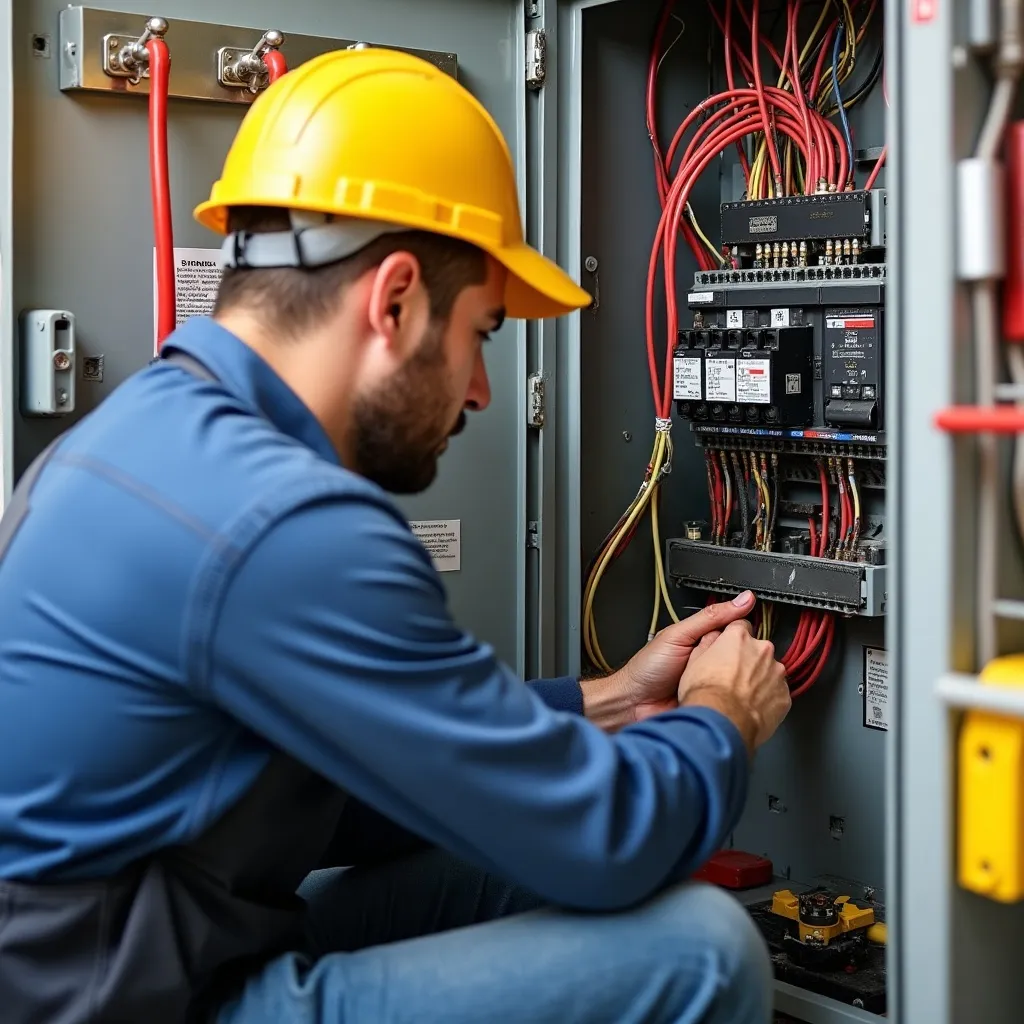
Key Attributes of a Honest Electrical Contractor
When choosing an electrician, it is crucial to recognize the key qualities that ensure trustworthiness. A reliable contractor should have appropriate credentials and coverage, guaranteeing compliance with local regulations and safeguarding from potential liabilities. Experience in the field is another significant factor; experienced professionals are more skilled in handling various electrical issues and understanding complex systems.
Additionally, effective communication abilities are significant, allowing contractors to outline processes and manage customer questions plainly. A credible service professional also exhibits trustworthiness, offering straightforward pricing and eliminating surprise charges. Moreover, glowing reviews and previous client feedback can serve as benchmarks of consistency and superior quality. Finally, a dedication to professional growth shows a contractor's commitment on keeping informed of current industry regulations and modern solutions, which is imperative for delivering reliable and proficient electrical solutions. These qualities collectively form the foundation of a trustworthy electrical contractor.
What methods to verify if Your Electrician Is qualified?
Evaluating an electrical professional's qualifications is a vital step in guaranteeing quality and safety in electrical work. To start, property owners must inquire about the electrician's license, which confirms they fulfill local and state criteria. Checking liability coverage is similarly critical, as it safeguards homeowners from accountability should accidents happen. In addition, examining certifications from well-known associations may suggest specialized knowledge and mastery.
Homeowners can also inquire about the electrician's background in particular kinds of electrical work pertaining to their requirements. Checking reviews and testimonials from previous clients provides insights into the technician's dependability and professionalism. Moreover, open discussion can reveal the electrician's ability to explain their qualifications and approach to the assignment. By following this process, homeowners can guarantee they hire a skilled electrical professional able to provide secure and efficient electrical solutions.
The Reason Experience Makes a Difference for Electrical Contractors
Experience holds an essential role in the capability of electrical contractors. A proven skill set, strict adherence to safety compliance standards, and solid problem-solving expertise serve as emblems of seasoned professionals. These attributes don’t just enhance work excellence but also provide a more secure environment for clients.
Validated Expertise
An skilled electrical technician brings a wealth of expertise that directly influences the safety and caliber of electrical undertakings. Their proven competency base encompasses an variety of spectrum of competencies, including diagnostics, assembly, and servicing of electrical infrastructure. Experience allows them to detect issues rapidly and execute effective remedies, curtailing downtime and upholding peak performance. Moreover, mature service providers possess knowledge of the latest breakthroughs and industry advancements, facilitating them to furnish state-of-the-art solutions adapted to individual client needs. Their operational experience also equips them with the applied expertise vital to navigate complex electrical codes and regulations. At the end of the day, a experienced electrical contractor fortifies the steadiness of installations and repairs, establishing assurance and faith among end-users.
Safety Compliance Standards
Traversing the complicated landscape of safety compliance standards requires a deep understanding and practical knowledge that only veteran electrical contractors possess. These experts are proficient in local, state, and national regulations, ensuring that all installations and repairs conform to the highest safety protocols. Their background allows them to anticipate potential hazards and implement preventative measures effectively. Moreover, awareness of industry standards, such as the National Electrical Code (NEC), is important for maintaining compliance and safeguarding lives. A capable electrical contractor not only focuses on safety but also undertakes thorough inspections to identify any discrepancies. This commitment to compliance not only alleviates risks but also strengthens the longevity and reliability of electrical systems, ultimately benefiting clients and the broader community.
Problem-Solving Proficiency
Navigating complicated electrical challenges requires sharp problem-solving skills that seasoned electrical contractors offer. Their vast background empowers them to quickly diagnose issues and provide efficient solutions, minimizing downtime and ensuring safety. Unlike less seasoned contractors, they have faced a variety of scenarios, enabling them to anticipate potential difficulties before they emerge. This foresight results in effective project execution and minimized costs for clients. Additionally, their understanding of diverse systems and technologies allows them to keep pace with evolving industry standards effectively. Ultimately, the problem-solving abilities of experienced electrical contractors not only boost the quality of installations and repairs but also cultivate dependability and reliability in their services. Experience truly is an invaluable asset in this field.
Why Clear Pricing Is Essential
Why is transparent pricing essential in the electrical contracting industry? Open pricing creates credibility between contractors and clients, guaranteeing transparency in financial expectations. When clients obtain detailed estimates that detail labor, materials, and possible extra fees, they can decide intelligently without the fear of hidden costs. This openness encourages a favorable connection and supports repeat business.
Moreover, explicit pricing enables patrons to analyze solutions competently, letting them to choose contractors who present just and honest rates. It curtails misunderstandings and disputes, streamlining the undertaking process. A esteemed electrical contractor who conducts transparent pricing demonstrates excellence and answerability, cementing their devotion to premium service. In conclusion, clarity in costs not only upgrades customer satisfaction but also contributes to a contractor's reputation in a competitive market, propelling to sustained success.
What to Expect During the Electrical Contracting Process
During the electrical contracting process, clients can prepare for a structured approach that begins with an opening meeting. This meeting allows the contractor to analyze demands and discuss potential solutions. Following this, the repair and installation steps are executed with attention to detail and safety standards.
Preliminary Consultation Process
When beginning the electrical contracting process, what can one expect? The initial consultation is a key step for both client and contractor. During this appointment, the contractor addresses the client's demands, objectives, and any specific requirements related to the project. They will inspect the site, spotting potential issues and prospects. Clients should be ready to ask about deadlines, pricing, and the contractor's qualifications. The contractor often shares insights into the latest technologies and solutions that align with the client's vision. This stage frequently involves detailed discussions about following local laws and safety standards. In the end, the initial consultation builds the basis for a open working relationship, ensuring both parties are coordinated before moving forward.
Installation and Restoration Procedures
After the first consultation concludes, the installation and repair process begins with a thorough assessment of the project criteria. The electrical contractor evaluates existing systems, identifies potential issues, and formulates a plan that lays out necessary materials and timelines. Following this assessment, the contractor gathers any required permits and licenses to assure compliance with local regulations.
Next, the installation or repair work is executed, which may include electrical lines, fixture installation, or system enhancements. Throughout the process, the contractor maintains open communication with the client to resolve any concerns. After completion, a final inspection verifies that everything adheres to safety standards and functions correctly. The contractor offers instruction on upkeep and usage, assuring the client feels confident in their electrical system.
Establishing Faith With Your Electrical Contractor
Building trust with an electrical contractor is crucial for guaranteeing a successful project outcome. This relationship promotes open dialogue, allowing clients to express their needs and concerns while contractors offer expert advice and transparent pricing. A contractor's track record plays a critical role; verified credentials, positive reviews, and past project recommendations can significantly influence a client's trust.
Moreover, laying out specific expectations pertaining to timelines, costs, and responsibilities establishes a foundation of reliability. Consistent feedback during learn more the project can enhance trust, as clients feel in the loop and involved.
In addition, a trustworthy contractor will be transparent about potential challenges and solutions, manifesting integrity and professionalism. Ultimately, developing trust not only results in better joint effort but also confirms that the electrical work is completed to the highest standards, securing safety and satisfaction for all parties involved.
Frequently Asked Questions
What Categories of Electrical Services Do Contractors Usually Provide?
Electrical contractors generally offer offerings including wiring setup, circuit troubleshooting, lighting design, panel enhancements, troubleshooting, and maintenance. They also conduct safety evaluations, energy reviews, and can support renewable energy system installations, ensuring compliance with regulations.
What Steps Should I Take to Ready Myself for an Electrician's Visit?
To get ready for an electrician's visit, one should clear the work area, ensure convenient access to outlets and panels, collect pertinent paperwork, and list particular concerns or inquiries to go over during the appointment.
What Safety Measures Do Electrical Contractors Follow?
Electrical contractors adhere to strict safety measures, such as wearing personal protective equipment, ensuring proper tool usage, following electrical codes, performing hazard evaluations, servicing tools and apparatus, and applying lockout/tagout systems to avoid unintended power activation during work.
Are Electrical Contractors Covered by Insurance and Bonds?
Yes, electrical contractors are typically covered and bonded. This guarantees safety against liabilities and damages during jobs, offering clients with peace of mind and safeguarding both parties involved in the contractual agreement.
How Do I Handle Electrical Crises?
In electrical emergencies, one should quickly shut down the power, avoid contact with water, and contact a licensed professional. Remaining composed and maintaining your safety is paramount before professional assistance arrives to address the issue.
Report this page